
Travelling by campervan
Ferry Ireland by Campervan
Compare campervan and caravan ferries to Ireland - routes, vehicle dimensions and travel tips
- Book the vehicle category using its full length, height and attachments
- Direct overnight ferries from mainland Europe or short crossings via Wales
- Tips on driving on the left, the M50 toll and campervan sites in Ireland
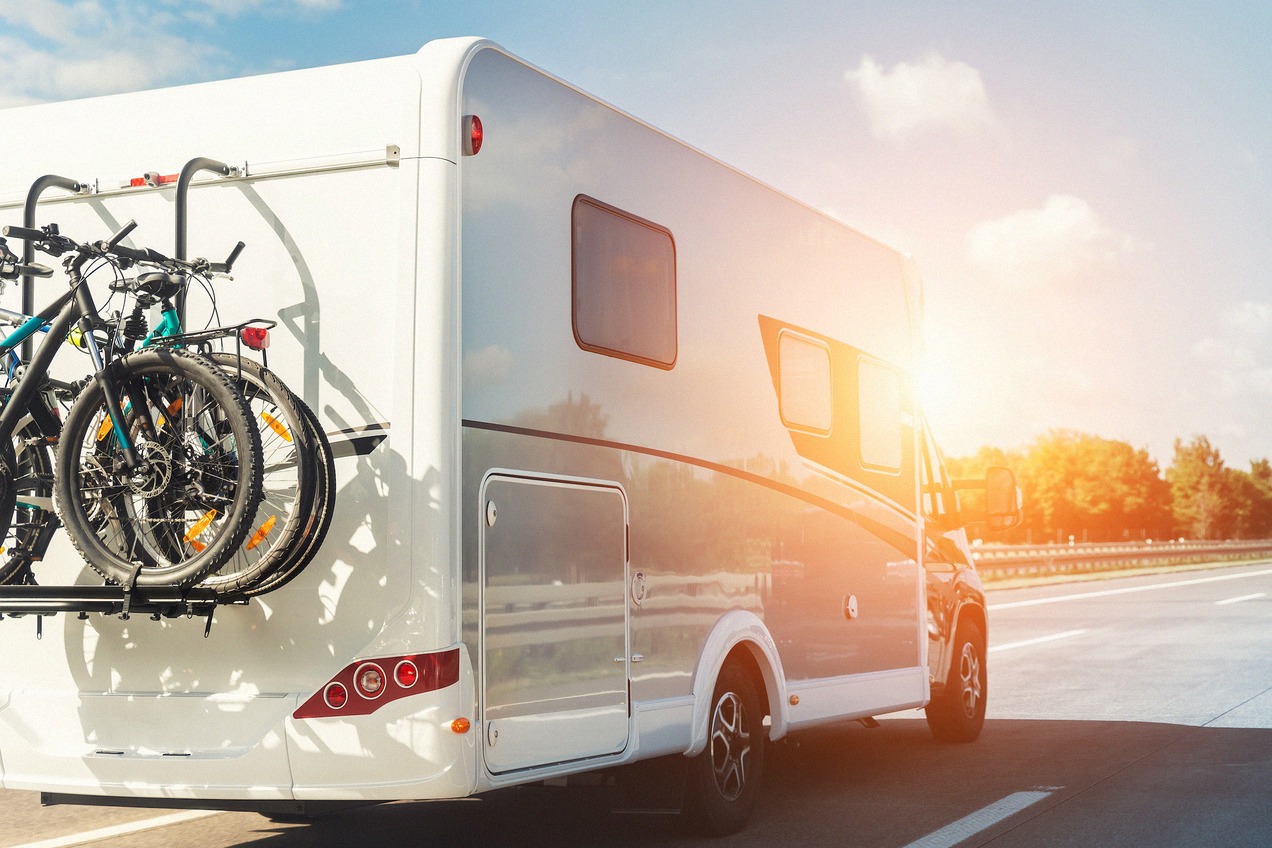
Campervan Ferries to Ireland
Ferry Ireland by Campervan
Taking a motorhome on the ferry to Ireland
The vehicle ferries compared here carry motorhomes, caravans and combinations. Booking differs from a car because the dimensions and vehicle type determine the category. Use the actual measurements for the journey, not just the figures in the registration document.
Which route suits a motorhome?
The choice is similar to travelling by car. A long or high vehicle can, however, affect the fare, available deck space and sometimes the sailings you can book:
- Direct from mainland Europe: Cherbourg - Rosslare, Cherbourg - Dublin and Roscoff - Cork from France, plus Dunkirk - Rosslare, are overnight sailings with cabins. You avoid the long drive through England, which can be welcome in a large vehicle.
- Short crossings from Wales: Holyhead - Dublin, Fishguard - Rosslare and Pembroke - Rosslare involve less time at sea, but first require a Channel crossing and a drive through Great Britain.
Enter the vehicle dimensions correctly
Note these details before searching:
- Overall length: from the furthest fixed point at the front to the end of the bike rack, rear box or trailer.
- Overall height: to the highest fixed point, such as air conditioning, roof box or satellite dish.
- Vehicle type: do not interchange a motorhome, van, car with caravan or another combination.
- Trailer: enter its length and type separately when the booking form asks for them.
- Travel configuration: do not omit attachments on the outbound journey if they will only be loaded for the return.
If the vehicle measures larger at the terminal than booked, you may need to pay extra or change the booking. Limits vary by operator and fare, so use the categories in the specific booking form.
Direct route or landbridge with a motorhome
On a direct route, the motorhome stays on board for one long crossing. On the landbridge, you book the same large vehicle twice and drive through Great Britain between the ferries. Compare not only the two ferry fares but also fuel, possible tolls, buffer time and an overnight stay. The full method is explained in the price guide.
Driving a motorhome in Ireland
Traffic drives on the left in the Republic of Ireland and Northern Ireland. A wide vehicle takes extra care on narrow, winding roads in the west, at junctions, when turning and on clockwise roundabouts. The main toll to plan for is the camera-operated M50 around Dublin, paid online or by eTag. Wild camping is restricted; plan your route around motorhome stopovers and campsites. More advice on driving, insurance and fuel is in the guide to Ireland by car.
Frequently asked questions
FAQ - Ferry Ireland by Campervan
The key questions about the campervan ferry to Ireland, answered briefly.
Can I bring my campervan on the ferry to Ireland?+
Yes, on all of them. Every Ireland ferry is a car ferry and carries campervans, caravans and car-trailer combinations too, from the direct overnight ferries out of mainland Europe such as Cherbourg - Rosslare and Dunkirk - Rosslare to the short crossings via Wales such as Holyhead - Dublin. The Channel Tunnel also takes campervans.
How is the campervan price calculated on the ferry?+
The booking form asks for the vehicle type and, depending on the operator, its length, height and other details. Measure from the bumper to the end of the bike rack or drawbar and from the ground to the highest fixed fitting. Enter trailers and caravans separately if the form requires it.
Can I wild camp with a campervan in Ireland?+
Wild camping is only allowed in limited circumstances in Ireland and isn't permitted in many places; on private land you'll need the owner's permission. The easiest way to travel is from campsite to campsite. On every stage, remember Ireland drives on the left, and expect narrow, winding country roads in the west. For everything about driving there, see the guide Ferry Ireland by car.