
Route comparison
Ferries to Ireland
Irish Sea crossings from Britain and direct sailings between Ireland, France and Spain.
- From Wales to Dublin and Rosslare
- Liverpool and Cairnryan to Belfast
- Direct from Ireland to France and Spain
Popular routes
Our most frequently booked routes to Ireland.
Prices per person, one way


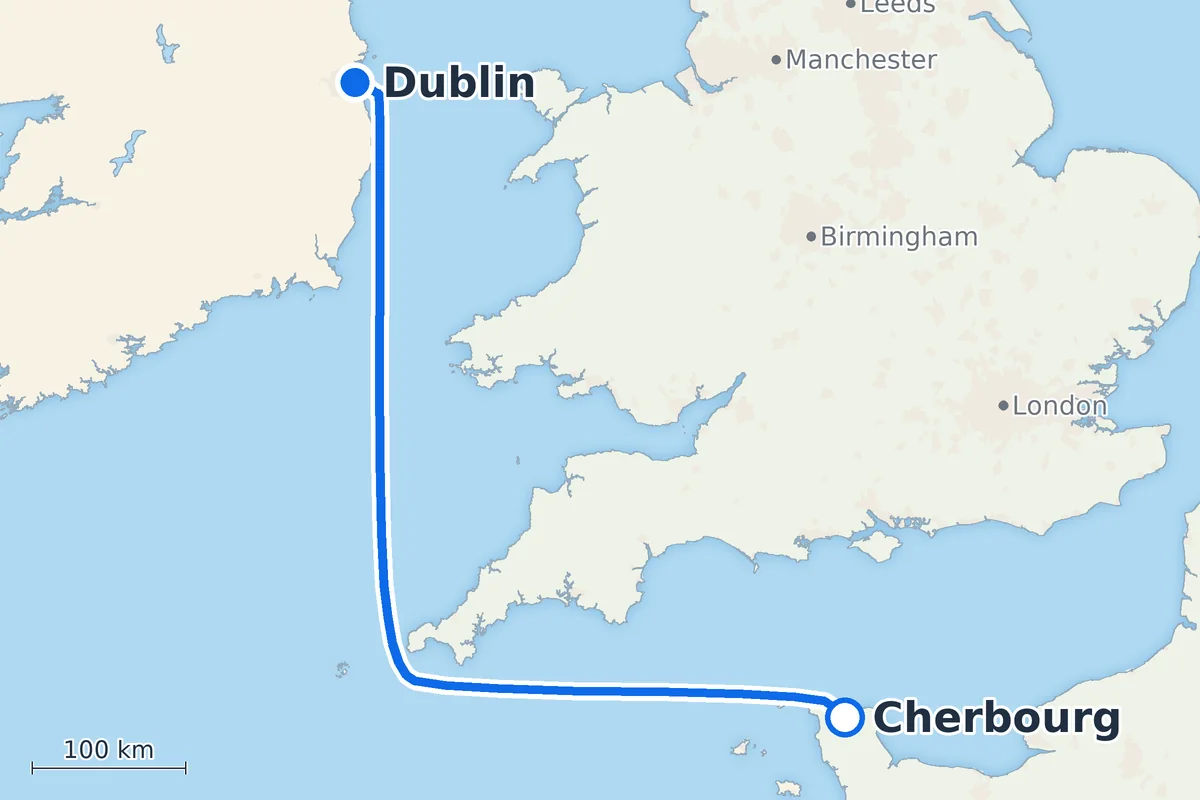
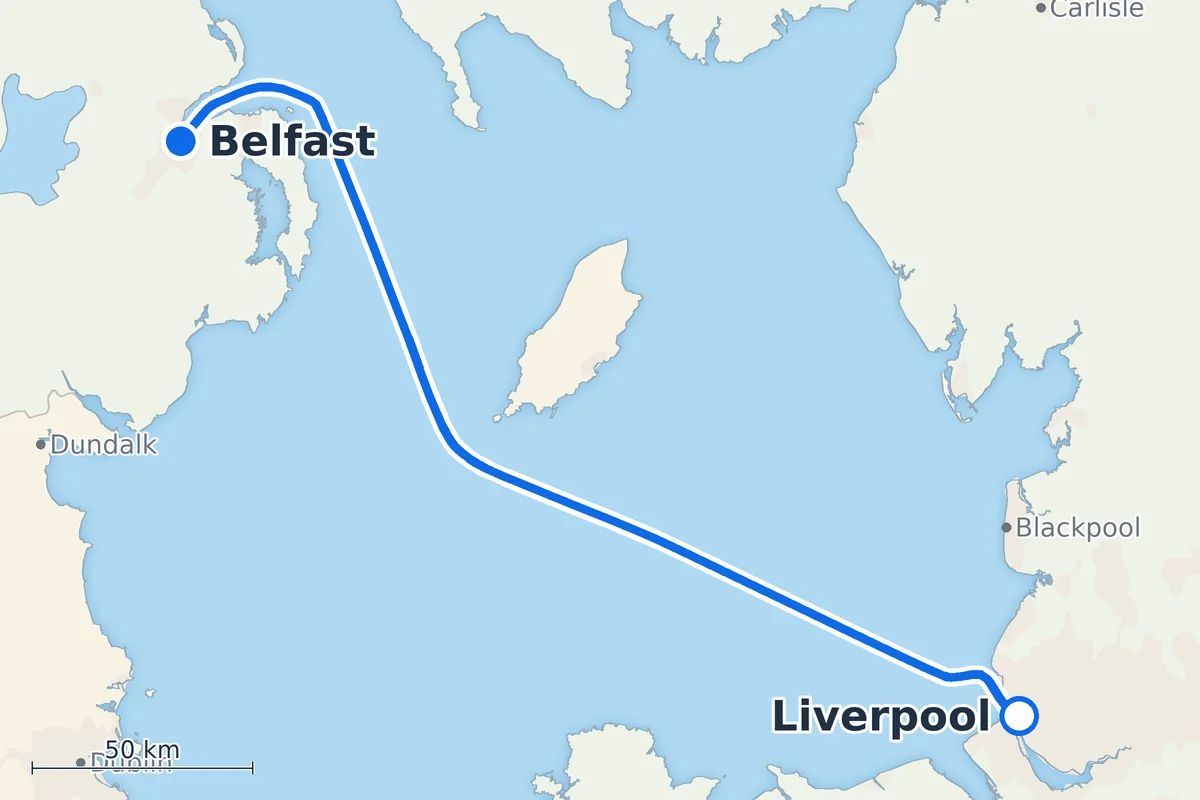
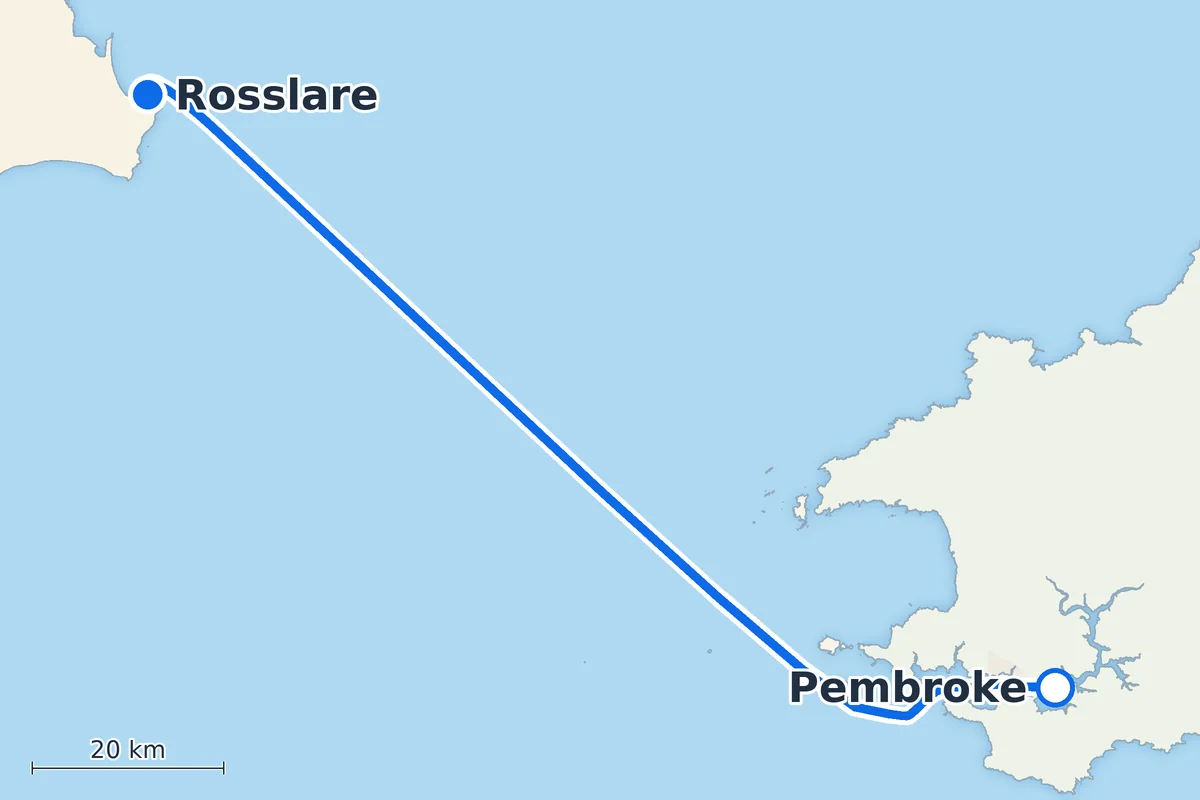
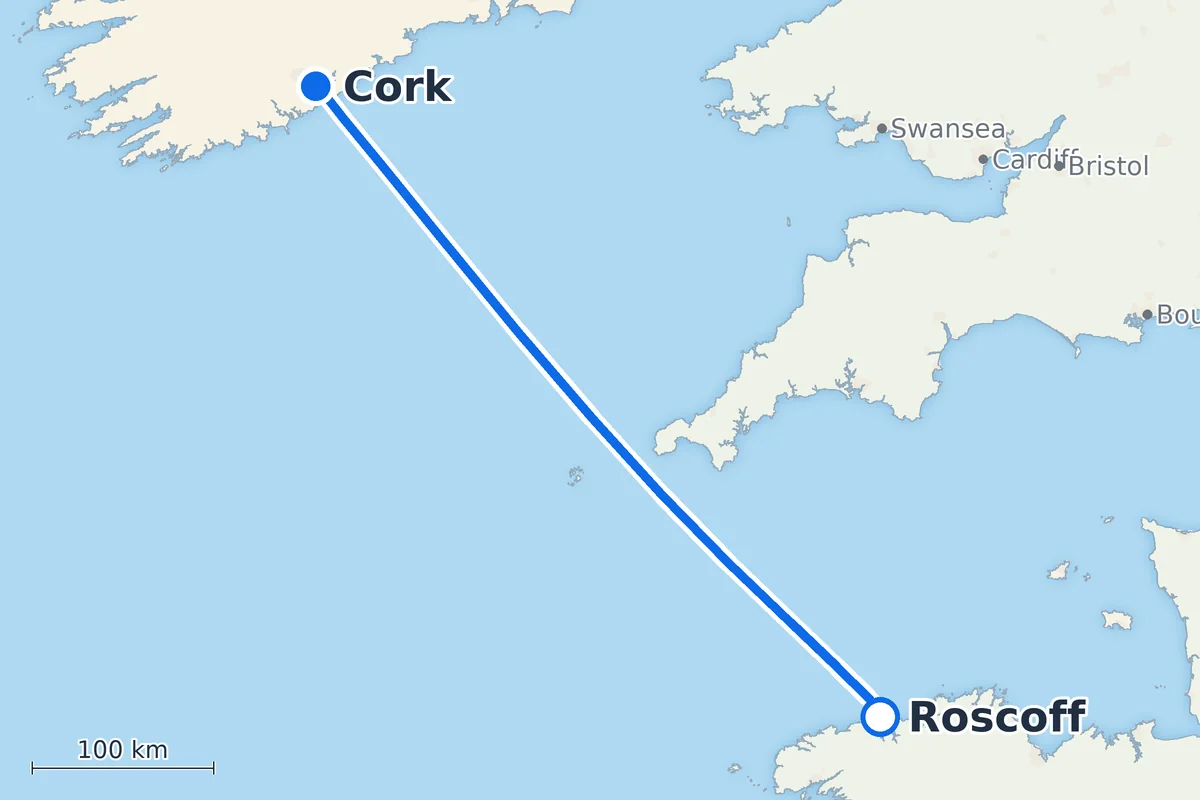

© OpenStreetMap contributors
Ireland route map
All ferry routes at a glance
Interactive map of the ferry routes to Ireland and Northern Ireland from Great Britain, France and Spain, plus the Channel and North Sea crossings. Select a route for details.
- Brittany Ferries
- Irish Ferries
- DFDS
- Stena Line
- P&O Ferries
- Eurotunnel
Brittany Ferries 18 hours
Check prices Irish Ferries 19 hours 45 minutes
Check prices Brittany Ferries 14 hours
Check prices DFDS 23 hours
Check prices Brittany Ferries 28 hours 30 minutes
Check prices Stena Line 3 hours 15 minutes
Check prices Irish Ferries 3 hours 30 minutes
Check prices Stena Line 3 hours 30 minutes
Check prices Irish Ferries 4 hours 1 minute
Check prices P&O Ferries 2 hours
Check prices Stena Line 2 hours 15 minutes
Check prices Stena Line 8 hours
Check prices P&O Ferries 11 hours
Check prices Stena Line 5 hours 30 minutes
Check prices DFDS 2 hours
Check prices Eurotunnel 35 minutes
Check prices DFDS 1 hour 40 minutes
Check prices P&O Ferries 1 hour 35 minutes
Check prices Irish Ferries 1 hour 30 minutes
Check prices Ferries to Ireland
Ferries to Ireland
Ferries from Great Britain to Ireland
The shortest crossings to Ireland leave from Wales, north-west England and south-west Scotland. Which port suits you depends on where you set off in Britain and where you are heading: Dublin and the east coast, the south-east around Rosslare, or Belfast and Northern Ireland. Time at sea is only one part of the choice; also compare the drive to the port, the departure time and the vehicle fare.
From Wales to Dublin and Rosslare
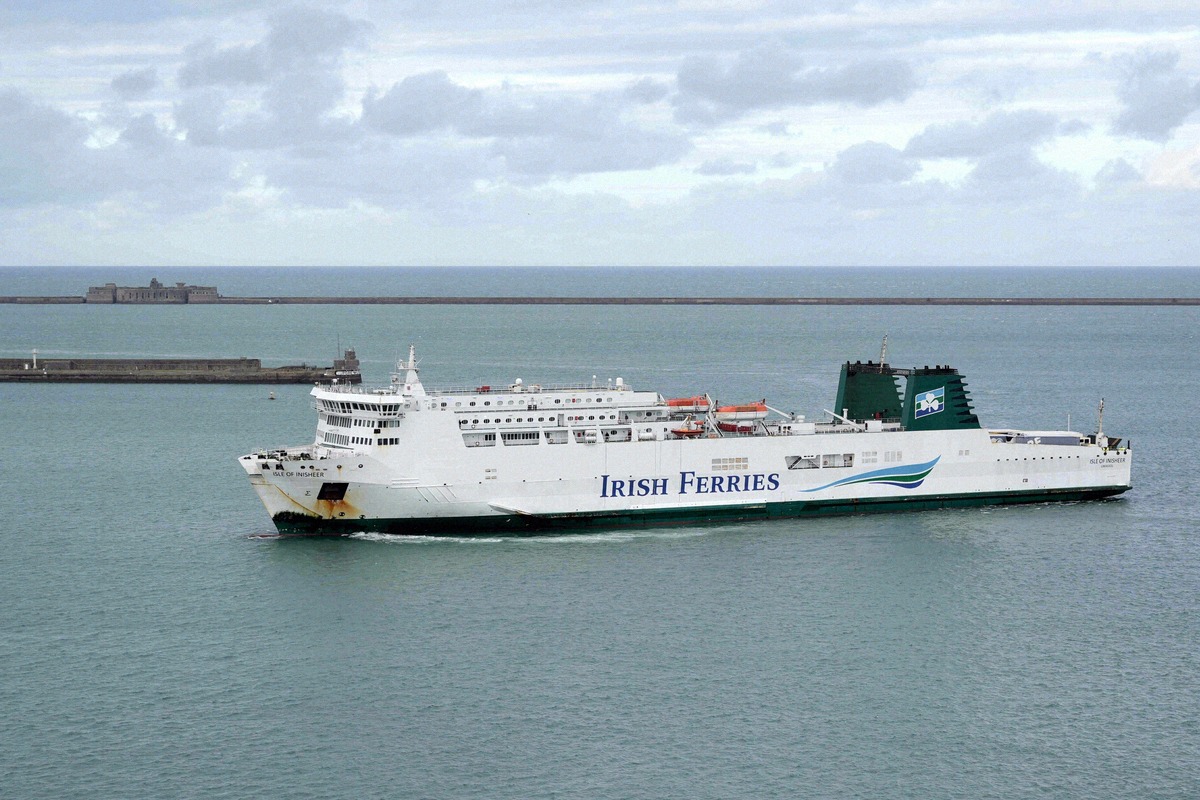
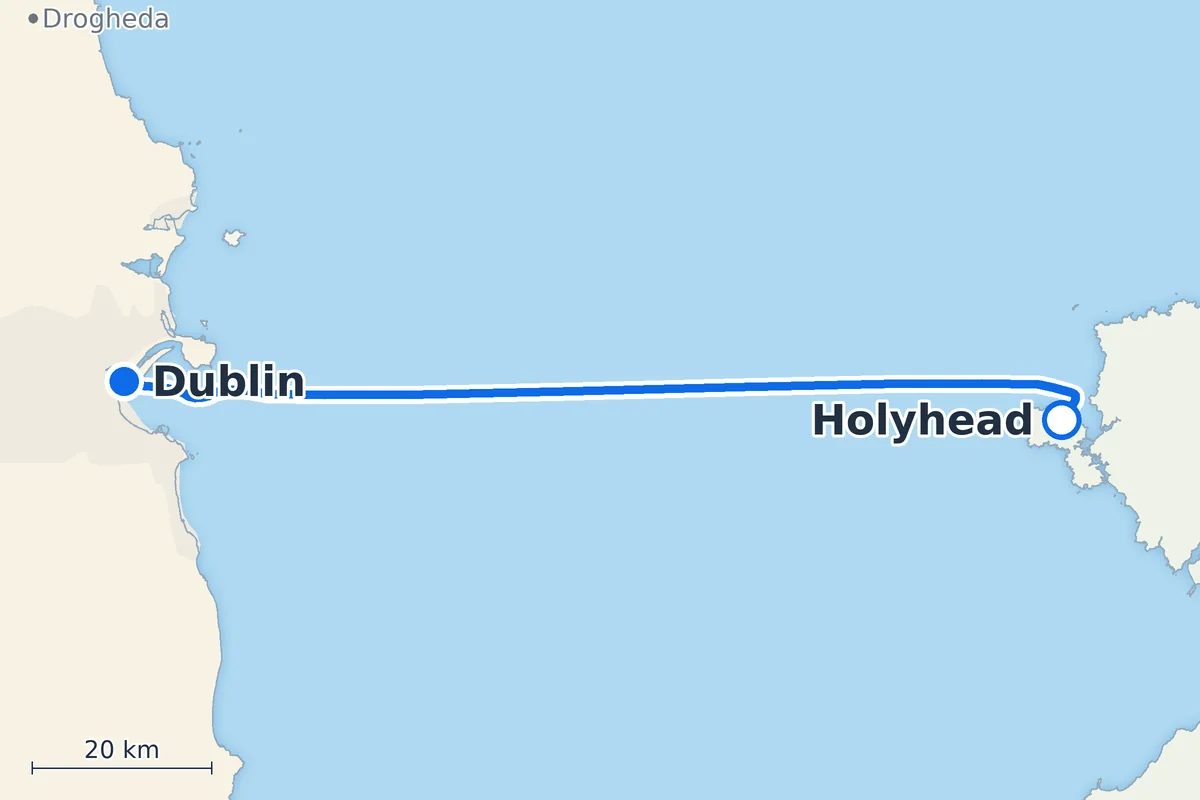
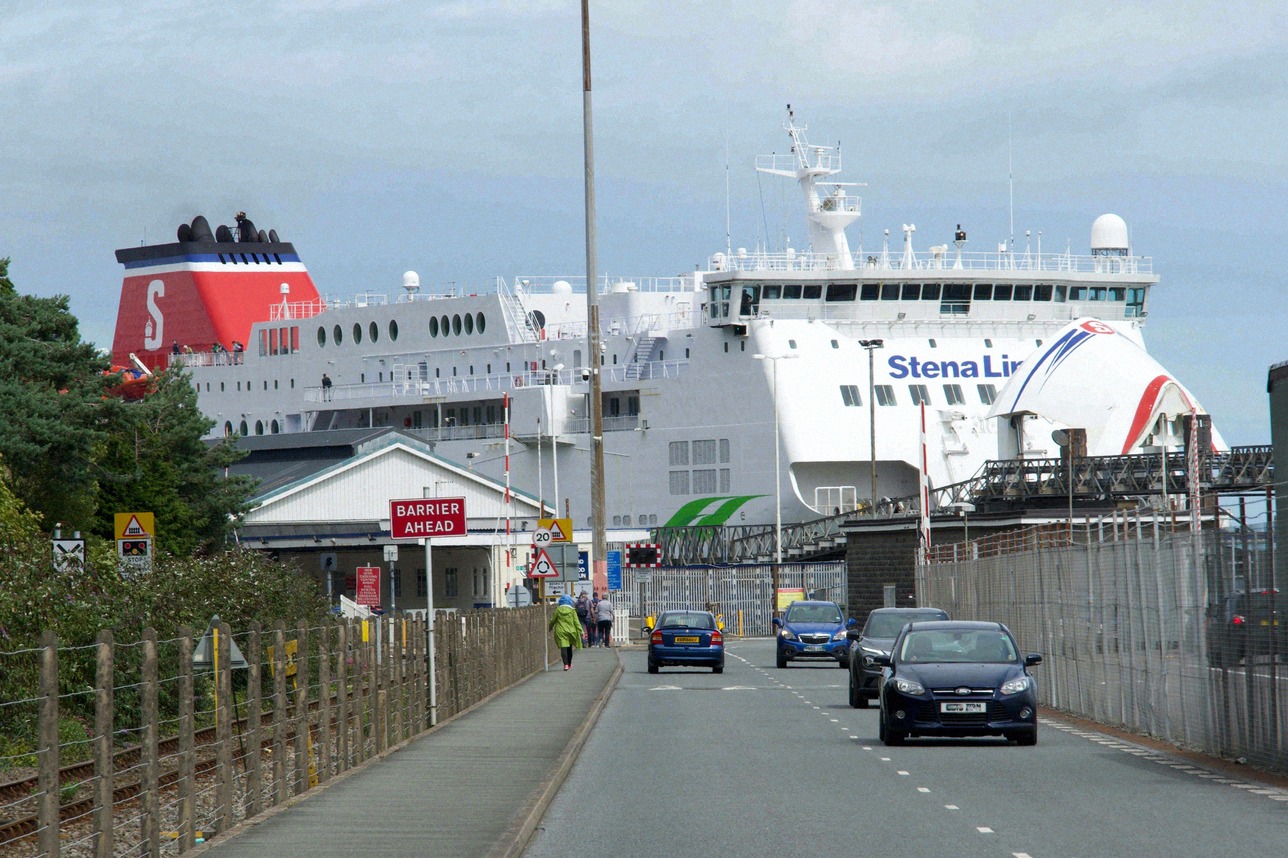
Holyhead - Dublin is the main corridor for Dublin and is served by Irish Ferries and Stena Line. For the south-east, Fishguard - Rosslare with Stena Line and Pembroke - Rosslare with Irish Ferries both arrive at Rosslare Europort.
From Scotland and England to Northern Ireland
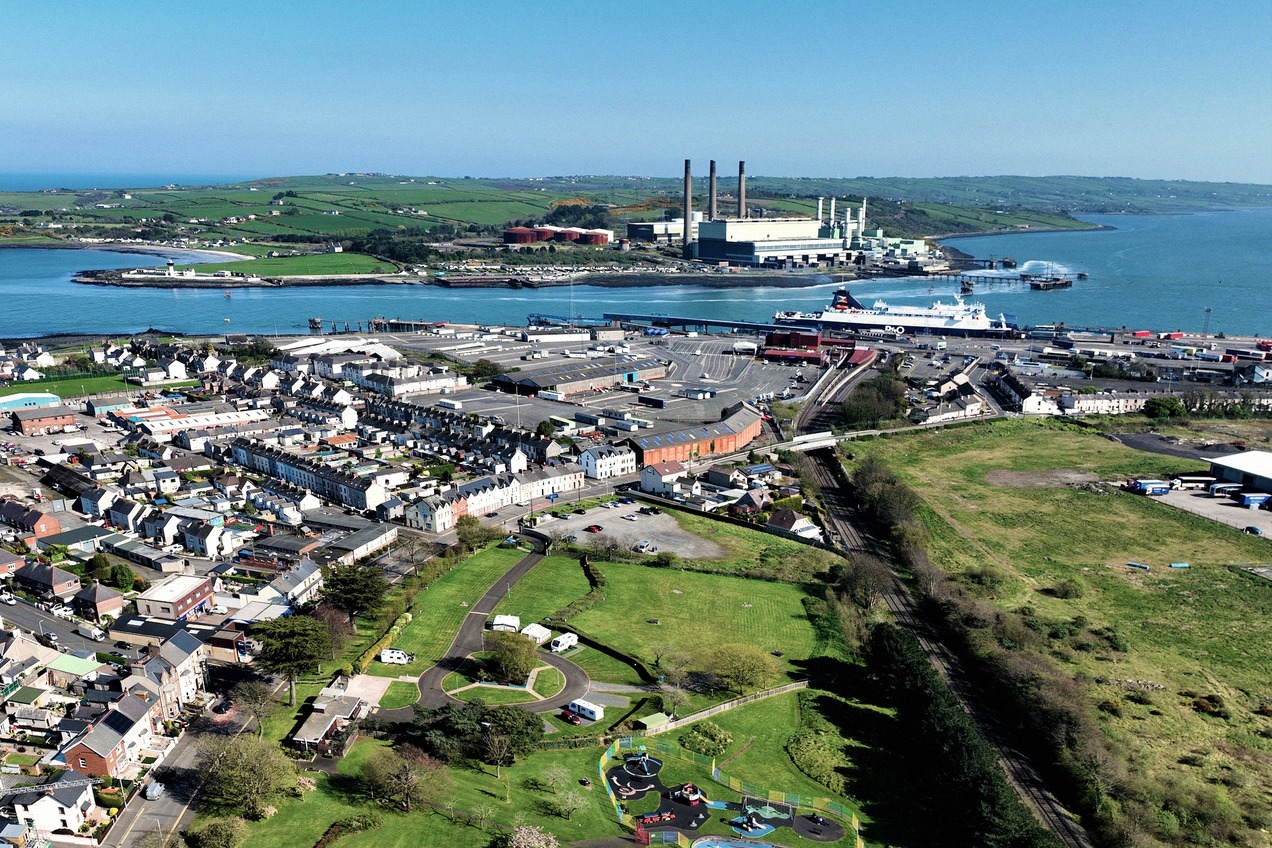
From south-west Scotland, Cairnryan - Belfast with Stena Line takes 2 hours 15 minutes and Cairnryan - Larne with P&O Ferries about 2 hours; both suit journeys from Scotland and the north of England. Liverpool - Belfast with Stena Line saves the drive to Scotland and takes about 8 hours from Birkenhead. Northern Ireland is part of the United Kingdom, so there is no border control on these crossings. The Northern Ireland guide compares the three routes and the Belfast terminals.
The guide to ferries from Britain to Ireland compares six Irish Sea routes, with crossing times, terminals and the pet document for Northern Ireland.
Direct sailings between Ireland, France and Spain
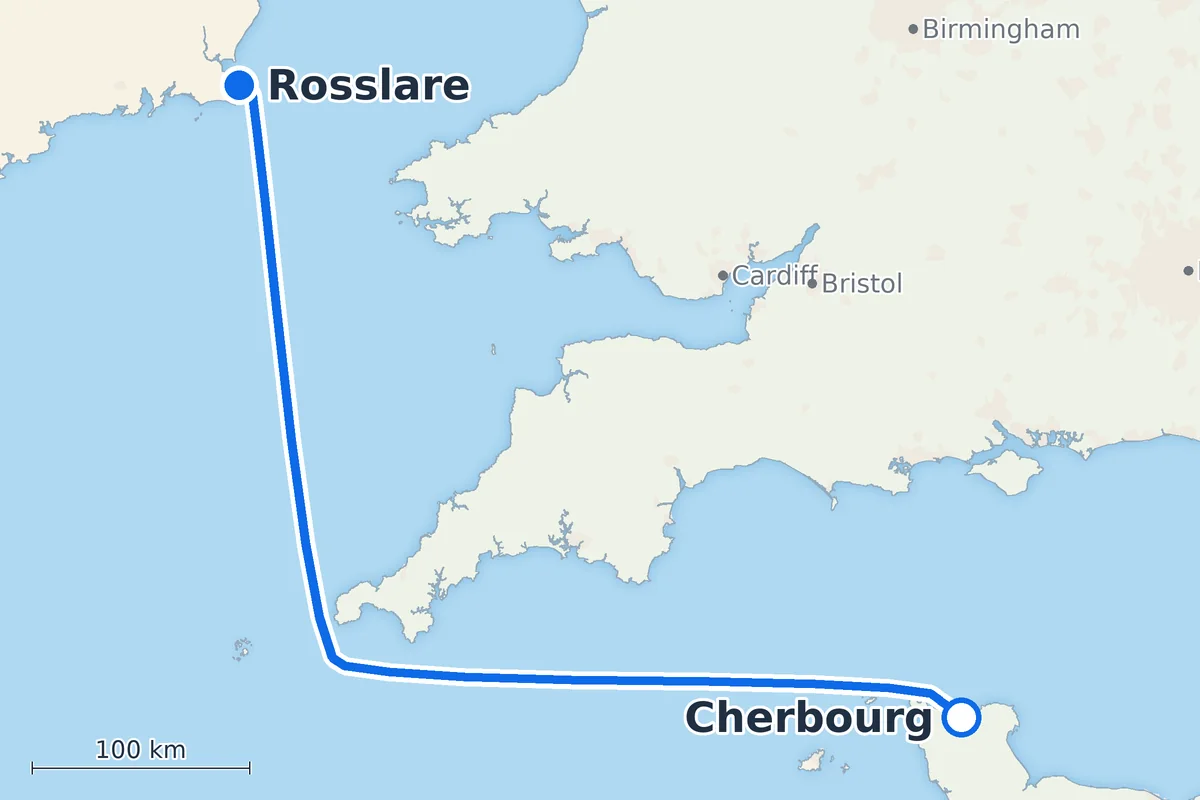
From Ireland, the direct ferries to mainland Europe leave from Rosslare, Dublin and Cork. Cherbourg - Rosslare links Normandy with Wexford, Waterford and the south-east, and Cherbourg - Dublin with the capital region. The seasonal Roscoff - Cork route connects Brittany with Cork, Kerry and the south-west.
From Rosslare, Dunkirk - Rosslare sails to Dunkirk in northern France, close to the Belgian border. DFDS carries passengers with vehicles only on this route; a cabin and meals are included in the booking package. How often the ferry sails each week is shown on the route page and in the timetable.
Rosslare also has seasonal sailings to northern Spain: Bilbao - Rosslare has its own route page. Check the operating period for your travel date.
Offers and discounts on ferries to Ireland
Operators price their sailings dynamically: the fuller a ship gets, the more the crossing usually costs. You save most by booking early and travelling outside the summer months. These operator offers and discounts are worth knowing:
- Cheaper or flexible fare: Irish Ferries and Stena Line grade their fares by flexibility. Economy is the cheapest with both, but changes cost a fee and the fare is not refunded if you cancel. With Flexi, you can change your booking without an amendment fee but pay any difference in price. Stena Line lets you choose different fares for the outbound and return sailings; with Irish Ferries, you choose Flexi when you book.
- Promotions on the Irish Sea routes: Stena Line regularly offers time-limited discounts on its Irish routes, for example for caravans and motorhomes or for short breaks by car. They apply to selected sailings only.
- Early booking fare: Brittany Ferries offers its cheapest fare, Early Bird, on Cherbourg - Rosslare, Roscoff - Cork and Bilbao - Rosslare. It can only be booked up to 60 days before the outbound sailing and suits you if your plans are fixed.
- Count what is included: On Dunkirk - Rosslare, DFDS includes a cabin and meals in the price. A higher ticket price can therefore work out cheaper than a route where you add a cabin and food.
The booking window on each route page shows the price for your date. Only compare offers with the same travel dates, vehicle dimensions and cabins; the price guide explains what matters.
How to compare the routes
- Destination in Ireland: For Dublin, sail Holyhead - Dublin from Britain or Cherbourg - Dublin from France. Rosslare is convenient for the south-east, Cork for Cork and Kerry, and for Northern Ireland the Belfast and Larne routes arrive directly.
- Departure in Britain: From Scotland and the north of England, the Cairnryan crossings are the shortest at sea. Liverpool - Belfast saves the drive to south-west Scotland. For Rosslare, choose the Welsh port that fits your road route and leaves a suitable buffer before check-in.
- Vehicle: For a motorhome, measure the length and height including a bike rack, roof box and trailer. Booking the wrong category can affect the fare and whether the vehicle is accepted.
- Dog: Before booking, check whether your specific sailing offers a pet-friendly cabin, kennel or another arrangement. Entry requirements are covered in the guide to taking a dog to Ireland.
- Total cost: Use the price guide to compare the same dates and vehicle configuration, including fuel for the drive to the port.
- Departure: Use the timetable for planning, then confirm the final departure with the operator and in your booking confirmation on the day of travel.
From mainland Europe via Great Britain
From mainland Europe, you can also reach Ireland with two ferries: first across the English Channel or the North Sea, then from Wales. Common combinations use Calais - Dover or Calais - Folkestone; an overnight ferry from Hoek van Holland or Rotterdam reduces the drive through southern England.
Do not plan the two bookings as if they were a guaranteed connection. If the first ferry is delayed or road traffic is slow, the second operator will not normally wait. A generous buffer or an overnight stop before the Irish Sea makes the journey more reliable; for the landbridge, include both ferries, fuel, tolls and any stopover in the total cost. The guide to ferries from Britain to Ireland covers the second crossing in detail.
Frequently asked questions
Frequently asked questions about ferries to Ireland
Clear answers to the most important questions about ferries to Ireland.
Which ferry routes go to Ireland? +
From Wales, Holyhead - Dublin, Fishguard - Rosslare and Pembroke - Rosslare sail to the Republic of Ireland. For Northern Ireland, take Liverpool - Belfast from England or Cairnryan - Belfast and Cairnryan - Larne from Scotland. Direct sailings link Ireland with France on Cherbourg - Rosslare, Cherbourg - Dublin, Roscoff - Cork and Dunkirk - Rosslare, and with Spain on Bilbao - Rosslare.
How long is the ferry crossing to Ireland? +
The Irish Sea crossings are short: Cairnryan - Larne takes about 2 hours and Cairnryan - Belfast 2 hours 15 minutes, while Liverpool - Belfast takes about 8 hours. Sailings between Ireland and France or Spain include a night on board. Current departure and journey times are listed in the timetable and on the route pages.
How much does the ferry to Ireland cost? +
There is no single cheapest option. For the same travel date, compare the full journey: ferry, vehicle category, cabin, fuel, possible tolls and any overnight stay. The price guide explains useful comparison scenarios; only the booking window shows the final price.
Can I take a car and a dog? +
The routes compared here accept vehicles. For a motorhome, enter its full dimensions including any attachments. Add your dog when booking; accommodation and access to your pet depend on the operator, vessel and sailing. From Great Britain to Northern Ireland, a dog or cat needs a microchip and the free Northern Ireland pet travel document.
Found your route?
Compare the connections and check departure, vehicle and cabin right in the booking.